Your booth scanner may be creating legal risk before your sales team says hello.
At international tech expos, every badge scan, demo signup, QR code, business card, and app interaction can trigger privacy, cybersecurity, consent, data transfer, and retention obligations across multiple jurisdictions.
The challenge is not just collecting data lawfully-it is proving that the data was captured with the right notice, purpose, consent, security controls, and cross-border transfer mechanism in place.
For exhibitors, sponsors, event organizers, and martech teams, legal compliance is now a core part of expo strategy, not a last-minute checkbox after the leads come in.
What Cross-Border Data Compliance Means for International Tech Expo Lead Capture
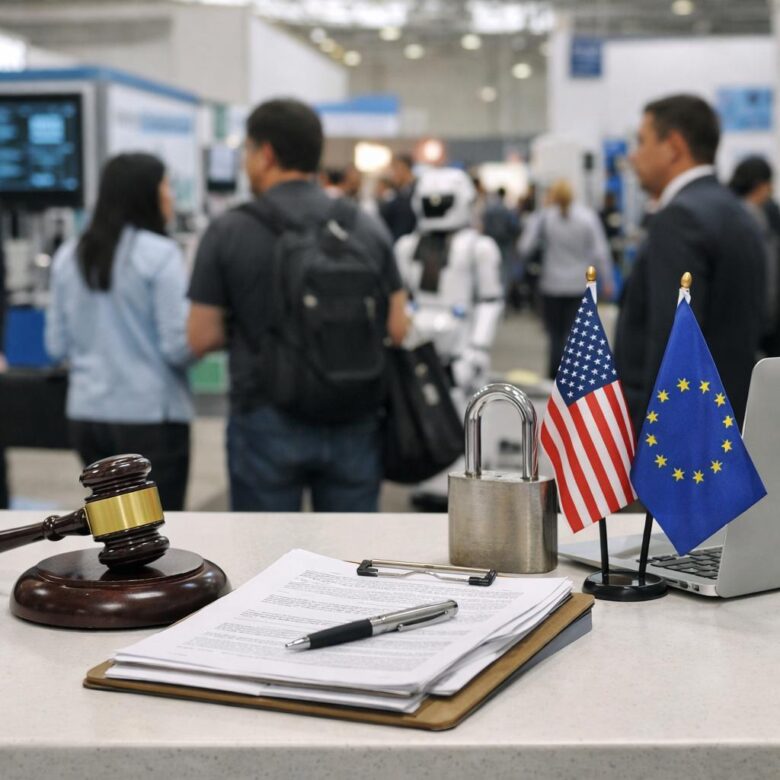
Cross-border data compliance means every badge scan, QR code form, product demo signup, and business card entry must follow the privacy laws that apply to the attendee, not just the country where the expo is held. At international tech expos, this often involves GDPR, UK GDPR, CCPA/CPRA, PIPL, and sector-specific cybersecurity or data residency rules.
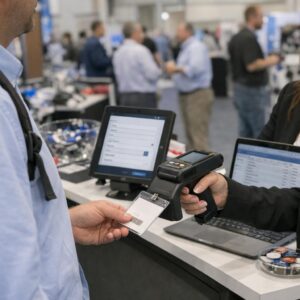
In practical terms, your lead capture system should collect only the data your sales team actually needs, explain why it is being collected, and record consent in a way that can be audited later. For example, if a German visitor scans a booth QR code at a Singapore cloud computing expo, your CRM workflow may still need GDPR-compliant consent, a lawful basis for follow-up emails, and a clear unsubscribe option.
- Use compliant lead capture tools such as HubSpot, Salesforce, or Cvent with consent fields enabled.
- Separate marketing opt-ins from event access, prize draws, demo bookings, or badge scanning permissions.
- Check where attendee data is stored, especially if your vendor uses cloud servers outside the visitor’s region.
A common mistake is treating booth lead retrieval as “business contact data” with no privacy risk. In reality, combining job title, company, location, buying intent, device interests, and meeting notes can create a detailed sales profile, which regulators may view as personal data processing.
The safest approach is to design compliance into the lead capture flow before the expo opens. That means privacy notices on landing pages, documented consent logs, data processing agreements with vendors, retention limits, and secure CRM access controls for global sales teams.
How to Build a Lawful Consent, Notice, and Data Transfer Workflow on the Expo Floor
A compliant expo workflow starts before anyone scans a badge. Configure your lead capture app, CRM, and consent management platform so every contact record shows the privacy notice version, consent choice, collection purpose, timestamp, booth location, and staff member responsible.
For example, if a German attendee at CES agrees to receive a product demo from a U.S. cybersecurity vendor, the booth tablet should display a short GDPR privacy notice before the scan is saved. Tools such as OneTrust, TrustArc, or Salesforce consent fields can help connect that opt-in to the lead record and reduce manual cleanup later.
- Notice: Use a QR code and booth tablet link to a mobile-friendly privacy notice covering controller identity, purpose, retention, international data transfers, and contact details.
- Consent: Separate “send me marketing emails” from “contact me about this demo” because sales follow-up and newsletter enrollment may rely on different legal bases.
- Transfer: Route non-U.S. leads through approved systems with Standard Contractual Clauses, a data processing agreement, and role-based access controls.
In practice, the biggest failure is not the scan itself; it is staff promising “we’ll send updates” without recording what the person actually agreed to. Train booth teams to avoid importing badge scans into email marketing software unless consent is captured clearly and synced to the CRM.
After the event, run a data hygiene review within a few days. Delete unqualified contacts, suppress people who declined marketing, and store transfer documentation with your expo compliance file for audit readiness.
Common Compliance Failures That Put Event Data Collection at Risk
One of the most common failures at international tech expos is collecting badge scans, business cards, or demo sign-ups without a clear lawful basis for processing. If an exhibitor scans visitors from the EU, Singapore, and the UAE into the same CRM, privacy compliance can quickly become complicated under GDPR, PDPA, and local data protection laws.
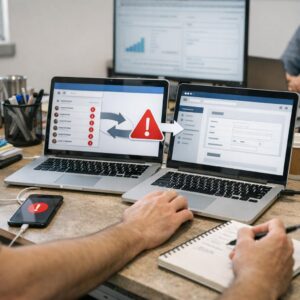
A practical example: a sales team at a Berlin trade show uses a lead retrieval app to capture attendee data, then uploads it into Salesforce for global email campaigns. If consent wording was vague, opt-in records were not stored, or data was transferred to a U.S. server without proper safeguards, the company may face regulatory complaints, blocked campaigns, or costly legal review.
- Poor consent management: pre-ticked boxes, unclear marketing permissions, or no proof of consent for post-event follow-ups.
- Uncontrolled data transfers: sending attendee information across borders without Standard Contractual Clauses, vendor due diligence, or a data processing agreement.
- Weak device security: using shared tablets, QR code scanners, or event Wi-Fi without encryption, access controls, or mobile device management software.
Another overlooked risk is keeping expo lead data for too long. In real event operations, teams often merge “temporary” booth leads into permanent marketing databases without checking retention policies, unsubscribe status, or regional privacy preferences.
To reduce exposure, companies should review event registration software, CRM integrations, consent capture tools, and cloud storage locations before the expo opens. The cost of compliance services, privacy automation tools, and legal contract review is usually far lower than fixing unlawful data collection after attendee complaints begin.
Wrapping Up: Legal Compliance for Cross-Border Data Collection at International Tech Expos Insights
Cross-border data collection at international tech expos should be treated as a compliance decision, not a marketing afterthought. The safest approach is to collect only what is necessary, explain usage clearly, document consent, and verify transfer rules before data leaves the event jurisdiction.
- Choose tools and vendors that support regional privacy requirements.
- Train event teams to handle consent, inquiries, and opt-outs consistently.
- When legal uncertainty exists, favor minimal collection or local storage until reviewed.
Organizations that build privacy into expo operations reduce regulatory risk while preserving attendee trust and commercial value.

Dr. Lucas Harrington is a technology and business events specialist focused on virtual conferences, hybrid event solutions, and professional networking platforms. He provides practical guidance for companies adapting to the future of digital events.